
Learn to interpret X22 reports, analyze chart data, understand statistical figures, and apply insights from Rumble data for effective analysis. In the digital age, data is paramount, and platforms like X22 Reports Rumble have emerged as vital resources for understanding complex socio-political landscapes.
With an array of charts and statistical analyses at our fingertips, diving into these reports can sometimes feel overwhelming. This blog post aims to demystify the intricate world of X22 Reports, guiding you through the process of interpreting the informative visuals and data presented.
We’ll explore how to break down chart data, understand statistical figures, and decipher the unique metrics used within the Rumble platform. By the end, you’ll be equipped to apply your newfound analytical skills to the X22 Reports, enhancing your comprehension of the narratives behind the numbers. Let’s embark on this enlightening journey together!
Interpreting X22 Reports
When it comes to understanding the X22 Reports, one must delve deep into the intricate details presented in each episode. The X22 Reports offer invaluable insights into current events and global socio-economic conditions. To effectively interpret these reports, it’s essential to focus on key components such as trends, patterns, and the data presented.
Firstly, analyzing the chart data provided in these reports can reveal underlying trends that might not be immediately obvious. Look for specific indicators such as rising or falling trends in economic activity, population shifts, or other significant metrics that indicate change. Recognizing these patterns can help in making informed decisions about future actions.
Next, understanding the statistical figures is crucial. The X22 Reports often cite various statistics that reflect the health of the economy or societal changes. These figures can include unemployment rates, inflation, and consumer spending. Analyzing how these statistics correlate with the presented narratives will give a clearer picture of the reality behind the reports.
Moreover, the Rumble data featured in X22 Reports plays an important role. This data showcases audience engagement and responses to the themes discussed. By understanding viewer reactions and discussions, one can gauge public sentiment and the potential impact of the information shared.
In essence, interpreting X22 Reports requires a multifaceted approach. By critically analyzing chart data, comprehending statistical figures, and deciphering Rumble data, viewers can gain a comprehensive understanding of the narratives being presented. This level of analysis not only enhances understanding but also enables one to draw more accurate conclusions based on the information provided.
Analyzing Chart Data
When it comes to analyzing chart data in the context of X22 Reports, it is essential to delve into the various graphical representations that convey critical information. Charts play a significant role in transforming complex datasets into visual formats that are easier to interpret and understand.
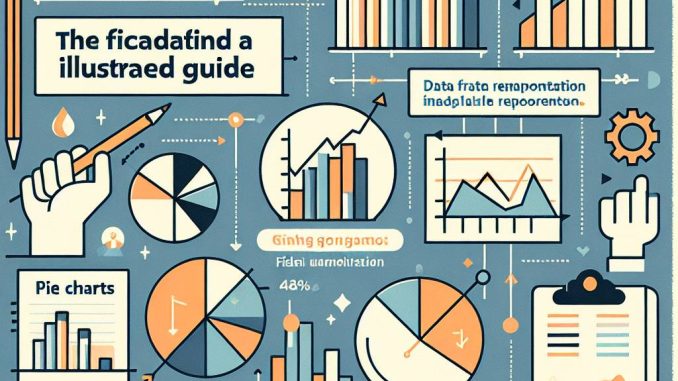
The most common types of charts used in X22 Reports include line charts, bar charts, and pie charts. Each type serves a unique purpose and provides different insights into the data being presented.
Line charts are particularly useful for showing trends over time. For instance, they can illustrate how a specific indicator has evolved, allowing analysts to see patterns or fluctuations in the data. When interpreting these trends, it’s crucial to pay attention to peaks and valleys, as they can indicate significant shifts in the underlying factors.

Bar charts, on the other hand, offer a straightforward comparison between different categories. They can be used to highlight the performance of various sectors or to showcase the differences in multiple datasets. When reading bar charts, one should look for the lengths of bars and their relative positions to draw conclusions about which categories are performing best or worst.
Meanwhile, pie charts provide a visual representation of proportions, making it easy to see how different segments contribute to a whole. Understanding the percentages represented in each slice can help in grasping the balance between various factors at play. However, caution should be taken since pie charts can oversimplify complex relationships; thus, they are best used in conjunction with other chart types for comprehensive analysis.
In addition to these chart types, it is essential to consider the underlying data. Factors such as source credibility, data accuracy, and contextual relevance are all crucial when interpreting any chart presented in X22 Reports. Analysts must question the origin of the data and ensure that it is reliable before drawing conclusions based on the visual representation.
Ultimately, effective chart analysis not only involves interpreting the visuals but also understanding the context in which they are presented. This dual approach allows for a deeper insight into the narratives being spun from the numbers, making for a more informed understanding of the trends and patterns identified in X22 Reports.
Understanding Statistical Figures
In the realm of X22 Reports, interpreting statistical figures is essential for gaining insights into various trends and data points. These figures not only provide a quantitative measure but also help in understanding the underlying patterns that can influence decision-making.
One of the primary types of statistical figures used in X22 Reports is the mean, which represents the average of a set of numbers. By calculating the mean, one can assess the central tendency of the data, allowing for a clearer understanding of overall trends.
Another crucial measure is the median, which signifies the middle value when data points are arranged in ascending order. The median is particularly valuable in X22 Reports because it helps to minimize the effect of outliers, providing a more stable representation of the data.
The mode, or the most frequently occurring value in a dataset, is also a significant figure. In the context of X22 Reports, identifying the mode can reveal patterns and anomalies that may require further analysis, thus aiding in the overall understanding of the data narrative.

When examining X22 Reports, one must also consider measures of variability such as standard deviation and variance. These figures inform us about the dispersion of data points around the mean, highlighting how much variability exists within the dataset. A high standard deviation indicates a wide spread of data, while a low standard deviation shows that data points are clustered closely to the mean.
The use of percentiles is another crucial aspect when interpreting statistical figures. Percentiles provide valuable insights into the distribution of data. For example, knowing that a particular value is in the 90th percentile can illustrate how it stands relative to the rest of the dataset, allowing for informed decision-making based on comparative analysis.
Lastly, it’s important to acknowledge the difference between correlation and causation when analyzing statistical figures. While correlation might suggest a relationship between two variables, it does not imply that one causes the other. This distinction is vital in X22 Reports, as it fosters a more nuanced understanding of the data presented.
In summary, a comprehensive grasp of statistical figures is indispensable for interpreting X22 Reports. Understanding concepts like mean, median, mode, variability, and percentile can lead to more profound insights and better-informed conclusions.
Deciphering Rumble Data
In today’s digital landscape, understanding data is crucial for making informed decisions. When it comes to Rumble data, there’s a wealth of information that can help users interpret trends and see patterns that could provide valuable insights.
Rumble platforms have become increasingly popular for sharing videos and content across various niches. With this increased usage, data analytics plays a significant role in understanding audience engagement and preferences. By delving into the metrics provided by Rumble, individuals can decode the effectiveness of their content.
One key aspect of deciphering Rumble data is examining view counts. The view count reflects how many times a video has been watched, giving a direct indication of its popularity. However, this number alone can be misleading without the context of other metrics; for instance, comparing view counts over time can reveal whether interest is growing or waning.
Another important metric is the engagement rate, which considers interactions such as likes, comments, and shares relative to the view count. A high engagement rate indicates that the audience not only watches the content but is also motivated to interact with it. This is crucial, as engagement often translates to loyalty and community growth.
Retention rates are also pivotal in understanding audience behavior. This metric tells you how long viewers are staying to watch your content. A consistent drop-off at a certain point may signal that the content loses interest and might need reworking. Analyzing these figures provides creators with the feedback necessary to refine their approach.
Moreover, subscriber growth is a vital metric for anyone looking to build a channel on Rumble. New subscribers often indicate that viewers found value in your content. Tracking how subscriber numbers change after specific video releases can give creators insights into what resonates most with their audience.

Lastly, utilizing content analytics tools can provide even more nuanced insights into Rumble data. These tools often allow for deeper dives into demographic information, traffic sources, and viewing trends. Understanding who your audience is and how they find your content can help tailor your future videos to better meet viewers’ needs.
Deciphering Rumble data is not an instantaneous process; it requires continuous analysis and adaptation. By focusing on key metrics such as view counts, engagement rates, retention, subscriber growth, and utilizing available analytical tools, content creators can enhance their strategies for reaching and growing their audience effectively.
Applying X22 Reports Analysis
Analyzing X22 Reports is crucial for anyone seeking to understand the intricate narratives woven into the data. Once you’ve familiarized yourself with the charts and statistical figures presented, the next step is applying X22 Reports analysis effectively.
Begin by looking at the chart data. Identify trends, patterns, and anomalies. For example, if a particular segment shows a consistent upward trend, consider what factors might contribute to such an increase. Are there external events or internal developments that could be influencing this data? Keeping historical context in mind allows for a deeper comprehension of the fluctuations represented in the X22 Reports.
Next, utilize statistical figures present in the reports. These figures help quantify the findings illustrated in the charts. Look for averages, medians, and percentages that can shed light on the overall performance. For instance, a low percentage in a particular area could indicate potential issues that require immediate attention. Thus, applying statistical data in conjunction with chart analysis provides a more rounded picture of the findings.
As you apply your analysis, remember to consult the Rumble data associated with those reports. This additional layer often offers context that pure numerical data may not capture. By understanding how public sentiment and responses are reflected in the Rumble platform, you can gauge the potential impact or validity of the findings shown in the X22 Reports. This perspective is especially useful when evaluating threats and opportunities highlighted in the reports.
Furthermore, engaging in comparative analysis can reveal critical insights. Compare the data across different time frames or against other similar reports to identify whether the findings conform to or deviate from expected trends. Such comparisons can illuminate broader patterns that may not be immediately visible when viewing the data in isolation.
Lastly, keep in mind the importance of continuous learning and adaptability. As new data emerges, the context and implications of your X22 Reports analysis may change significantly. Staying updated with the latest reports and evolving your analytical strategies accordingly is key to making informed decisions based on this data.
Frequently Asked Questions
What are X22 Reports Rumble?
X22 Reports Rumble is a platform that provides alternative news analysis using various data sources, especially focusing on economic and political events.
How are charts utilized in X22 Reports?
Charts in X22 Reports are utilized to visually represent complex data, making it easier for viewers to grasp trends, correlations, and significant indicators in economic and political analysis.
What types of data are commonly analyzed in X22 Reports?
X22 Reports commonly analyzes economic data such as inflation rates, unemployment statistics, stock market trends, and political events to provide insights into future movements.
Why are visualizations important in understanding data?
Visualizations are important because they simplify the interpretation of data, allowing audiences to quickly identify patterns, anomalies, and key insights that might be missed in raw numbers.
How often are the charts and data updated in X22 Reports?
The charts and data in X22 Reports are updated regularly to reflect the latest information and trends, often aligned with current events and economic shifts.
Can anyone access the charts and data from X22 Reports?
Yes, X22 Reports provides access to charts and data for free on their platform, allowing anyone interested to delve into the information shared.
What should readers consider when interpreting the charts in X22 Reports?
Readers should consider the context of the data, source credibility, time frames for trends, and any potential biases in the analysis to ensure a balanced understanding.
Leave a Reply