
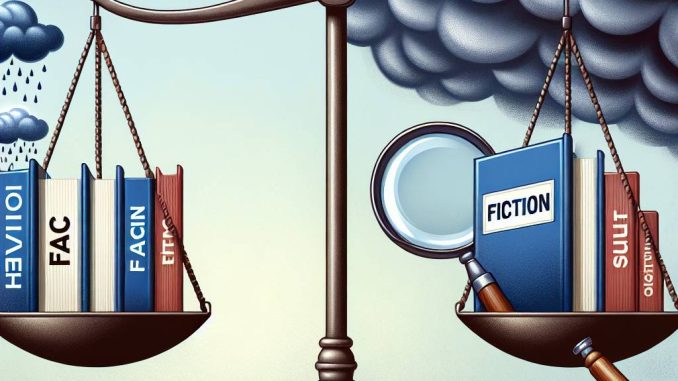
Learn how to evaluate X22 Reports by identifying reliable sources, analyzing accuracy, implementing fact-checking strategies, and verifying truth in Rumble content. In today’s fast-paced digital landscape, discerning truth from misinformation is more crucial than ever, especially with platforms like Rumble gaining popularity.
The X22 Reports have garnered significant attention for their bold claims and conspiracy theories, often blurring the line between fact and fiction. This blog post aims to provide a comprehensive guide on how to navigate the complex world of X22 Reports and similar content.
We will explore the importance of understanding these reports, identifying reliable sources, and employing effective information analysis techniques. By adopting strategic fact-checking methods and verifying the validity of Rumble content, you can empower yourself to sift through the noise and uncover the truth. Join us as we delve into these critical strategies to help you become a more informed consumer of online information.
Understanding X22 Reports
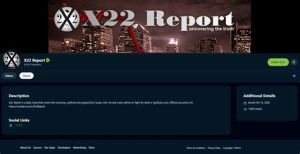
The X22 Reports is a media platform that has gained attention for its unique perspective on current events and political discourse. It provides commentary and analysis on various topics, often through video presentations shared on social media platforms like Rumble. Understanding the content of X22 Reports requires critical thinking and awareness of the source’s context.
One of the key elements of X22 Reports is its focus on economic trends and geopolitical issues. The report often discusses financial systems, government policies, and predicted outcomes based on historical patterns. As a consumer of this information, it is essential to engage with the content critically. This means recognizing the perspectives that the host presents and how they may influence interpretations of the facts.
To fully comprehend X22 Reports, one must consider the following aspects:
- Source Reliability: When dealing with information from X22 Reports, it’s crucial to evaluate the credibility of the presented claims. Fact-checking specific information and cross-referencing with established news outlets can help in determining the reliability of the content.
- Bias and Perspective: Like many media platforms, X22 Reports may exhibit a particular bias. Understanding the background of the hosts and their motives may provide insight into why certain topics are emphasized or downplayed.
- Analyzing Predictions: X22 Reports often makes predictions about future events. Evaluating these predictions in conjunction with actual outcomes can be an enlightening process, aiding in discerning which insights are grounded in reality and which may be speculative.
By familiarizing oneself with the X22 Reports and applying critical analysis, individuals can gain a deeper understanding of the information being presented and make informed decisions about its relevance and accuracy.
Identifying Reliable Sources X22 Reports Rumble
In the age of information overload, especially with platforms like X22 Reports and Rumble gaining traction, it is crucial to know how to identify reliable sources. The credibility of the content you consume can significantly impact your understanding of events and issues. Here are some strategies to help you discern trustworthy information.
1. Check the Author’s Credentials
Who created the content? Research the author’s background. Are they recognized in their field? Do they have relevant experience or qualifications? Sources with authors who possess strong credentials are usually more reliable.
2. Verify the Source’s Reputation
Evaluate the reputation of the website or platform where the content is published. Established news organizations or academic institutions often have strict editorial standards and fact-checking processes, making them more credible than lesser-known sites.
3. Look for Citations and References
Reliable reports will often cite their information from other reputable sources. Check that the claims made in the article are supported by evidence. Look for links to studies, official statements, or expert opinions.
4. Analyze the Tone and Style
Trustworthy sources maintain a professional and objective tone. Be cautious of content that is overly sensationalized or emotionally charged. Such styles can be indicative of bias or a lack of integrity.
5. Cross-Check Information
Don’t rely on a single source. Cross-check the information with multiple reputable outlets. If the same news is reported by various credible sources, it is likely to be accurate.
6. Be Aware of Bias
Understand that every source may have some inherent bias, but reliable sources strive for balanced reporting. Look for media outlets that disclose their editorial standards and aim to present multiple viewpoints.
7. Utilize Fact-Checking Websites
Websites like Snopes, FactCheck.org, or PolitiFact can help verify claims you encounter. These platforms specialize in reviewing the accuracy of information and can be invaluable in your quest for truth.
By incorporating these practices into your information-consumption habits, you can more effectively identify reliable sources amidst the noise of the digital landscape. This skill is essential for navigating complex narratives and ensuring that your understanding is grounded in reality.

Analyzing Information for Accuracy X22 Reports Rumble
In today’s digital age, the ability to analyze information for accuracy is more crucial than ever. With a plethora of content—especially in the realm of X22 Reports Rumble—it’s important to develop a keen eye for what is factual and what is merely speculation.
First and foremost, when reviewing any content, particularly from sources like X22 Reports, always check the credibility of the source. Look for established platforms that have a track record of providing reliable information. Anonymity or unverified authorship can be a red flag, suggesting that the information may not be trustworthy.
Next, it’s essential to identify the facts versus the opinions. This can often be a gray area; however, reputable articles will typically separate factual content from personal interpretation or speculation. Be cautious of sensational headlines that may distort the reality of the subject being discussed.
When analyzing the specific claims made in X22 Reports, consider cross-referencing with other reliable sources. This act of comparison can help confirm or debunk various statements. If multiple credible outlets corroborate the information, it’s likely to be accurate. However, if the assertion relies solely on anecdotal evidence or single-source confirmation, approach it with skepticism.
Additionally, evaluating the data provided in any report can enhance your understanding of its accuracy. Look for accompanying statistics, studies, or factual references that strengthen the claims made. If the information presented lacks evident support or context, it may indicate a lack of reliability.
Lastly, honing your personal fact-checking strategies is invaluable. Familiarize yourself with tools and organizations dedicated to fact-checking, such as Snopes or FactCheck.org. These resources can help you quickly ascertain the validity of the information and filter out the noise.
By sharpening your skills in analyzing information for accuracy, especially in relation to platforms like X22 Reports Rumble, you’ll be better equipped to navigate the complexities of today’s information landscape and discern fact from fiction.
Fact-Checking Strategies X22 Reports Rumble
In the age of digital media, where information spreads rapidly, it is vital to employ effective fact-checking strategies to distinguish between fact and fiction. Here are some key methods to ensure the information you consume and share is accurate:
- Cross-Verification: Always cross-check information against multiple credible sources. If a story is true, it’s likely to be reported by several reliable outlets.
- Source Accountability: Investigate the source of the information. Reputable sources consistently check their facts and provide references. Pay attention to the author’s credentials and the organization behind the publication.
- Check the Date: Ensure that the information is current. Sometimes, old news articles or reports are shared as if they are new, leading to misconceptions.
- Examine the Evidence: Look for supporting data such as statistics, studies, or documentation. Claims that lack evidence are often misleading or false.
- Watch for Bias: Be aware of the potential biases of both the source and your own perspective. Look for information presented without sensationalism or extreme viewpoints.
- Utilize Fact-Checking Websites: Websites like Snopes, PolitiFact, and FactCheck.org provide detailed analyses of claims and rumors, often debunking misinformation effectively.
- Ask Experts: When in doubt, consult professionals or experts in the field related to the information. They can differentiate nuanced facts from misleading statements.
By implementing these fact-checking strategies, you empower yourself to become a more discerning consumer of information, particularly in contexts like X22 Reports and Rumble content, where clarity and truth are paramount.

Verifying Truth in Rumble Content X22 Reports Rumble
As the digital landscape grows, platforms like Rumble have emerged as alternative venues for content consumption, offering a plethora of videos across various topics. However, navigating through this sea of information can be challenging, especially when it comes to distinguishing fact from fiction. Here are several strategies to help you verify truth in the content found on Rumble.
1. Source Evaluation: Before accepting any video at face value, assess the credibility of the source. Investigate the background of the content creator and their previous work. Are they known for providing reliable information, or have they been flagged for disseminating misinformation? This preliminary step is crucial for establishing a baseline of trustworthiness.
2. Cross-Referencing Information: When watching Rumble content, it’s essential to cross-reference claims with other reputable sources. If a video makes bold assertions, look for corroborating evidence. Using trusted news websites, academic databases, or fact-checking organizations can offer a more comprehensive view of the issue being discussed.
3. Analyze Presentation Techniques: Pay attention to how information is presented in Rumble videos. Is it emotionally charged or sensationalized? Be wary of content that relies heavily on anecdotal evidence or appeals to emotion rather than presenting factual data. An objective tone and reliance on statistics are often indicators of more reliable content.
4. Check for Biased Language: Language can play a significant role in how information is perceived. Look for videos that use strong rhetorical devices or emotionally loaded terminology. This can signal bias and may mean that the content is less about factual reporting and more about shaping opinions.
5. Understand the Context: Each video may have its own context, and understanding this is key to discerning its truthfulness. Look for videos that provide contextual background about the topic being discussed. Missing context can lead to misinterpretations, so always seek out videos that tell the whole story.
6. Be Cautious of Echo Chambers: Rumble, like many platforms, can host echo chambers, where similar ideas are reinforced without challenge. Engage with diverse viewpoints and challenge your own perceptions. Doing so can enhance your understanding of a topic and prevent you from falling into the trap of believing only what confirms your pre-existing beliefs.
By employing these methods to verify truth in Rumble content, you can become a more discerning consumer of information. Amidst the noisy digital environment, it’s vital to equip yourself with tools for critical analysis and to approach content with caution and curiosity.
Frequently Asked Questions
What is the main focus of the X22 Reports Rumble
The main focus is to explore the distinction between fact and fiction in the reports presented.
Why is it important to differentiate fact from fiction in reports?
Differentiating fact from fiction is crucial to ensure that readers are informed with accurate information and can make educated decisions based on that.
What are some common signs of misinformation in reports?
Common signs include sensational language, lack of credible sources, emotional manipulation, and the absence of verifiable facts.
How can readers verify the information presented in the X22 Reports?
Readers can verify information by cross-referencing with reputable sources, checking for corroborating evidence, and scrutinizing the author’s credibility.
What role does critical thinking play in evaluating reports?
Critical thinking is essential in evaluating reports as it helps individuals assess the logic, evidence, and validity of the claims made.
Can personal biases affect how we interpret reports?
Yes, personal biases can significantly influence our interpretation of reports, leading us to accept information that aligns with our beliefs while rejecting contrary evidence.
What are some tools or resources to help distinguish fact from fiction?
Some useful tools and resources include fact-checking websites, scholarly articles, and media literacy programs that teach critical evaluation skills.
Leave a Reply